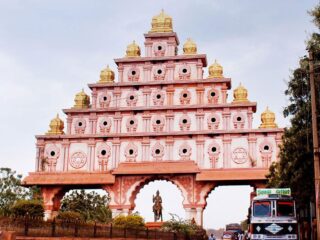
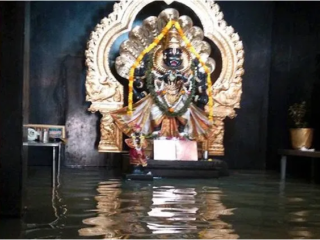
Manik Prabhu Temple
History & Philosophy
-
Manik Prabhu is believed by his followers to be the fourth incarnation of Lord Dattatreya. Wikipedia
-
He propagated the philosophy called Sakalamata Siddhānta, which emphasizes unity, equality, and respect for all faiths. Karnataka+1
-
In 1845, he chose the spot of Maniknagar (where the temple is) as his spiritual center. Wikipedia+1
-
According to accounts, his palanquin got stuck in the area and he saw it as a sign to settle there. Wikipedia
-
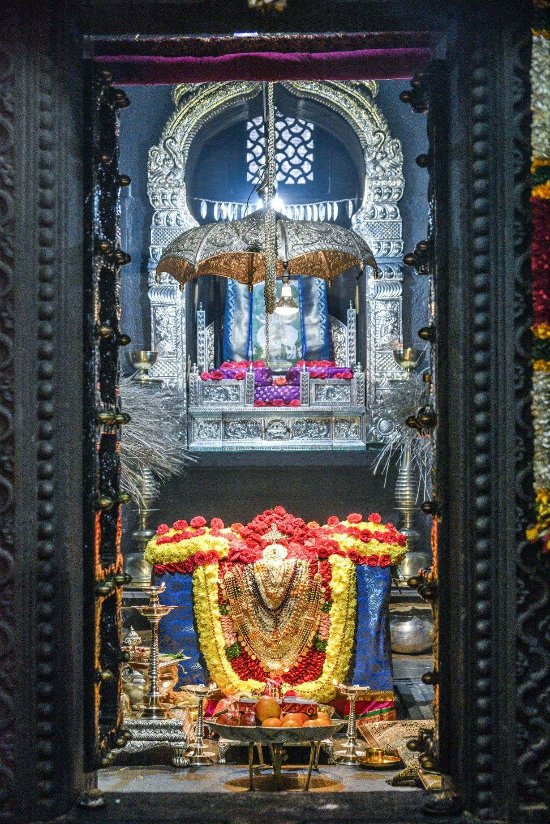
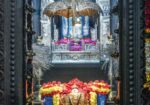
Rather than placing a physical idol on his spiritual seat (gadi), he kept it empty — symbolizing the formless Parabrahma. Wikipedia
-
He held daily gatherings (darbars), guiding people spiritually and offering alms to the needy. Wikipedia+1
-
Important spiritual figures of his time visited him, including Sai Baba of Shirdi, Shankaracharya, and others. Wikipedia+1
-
During the Indian Rebellion of 1857, he is said to have supported freedom fighters and gave “yoga danda” (spiritual sticks) to his followers. Wikipedia
-
He attained Sanjeevani Maha Samadhi in 1865. auraofshirdisai.org+1
-
Before his Samadhi, he passed on his spiritual energy to his nephew, Manohar Manik Prabhu, establishing a Guru-parampara. Karnataka+1
Architecture & Pilgrimage
-
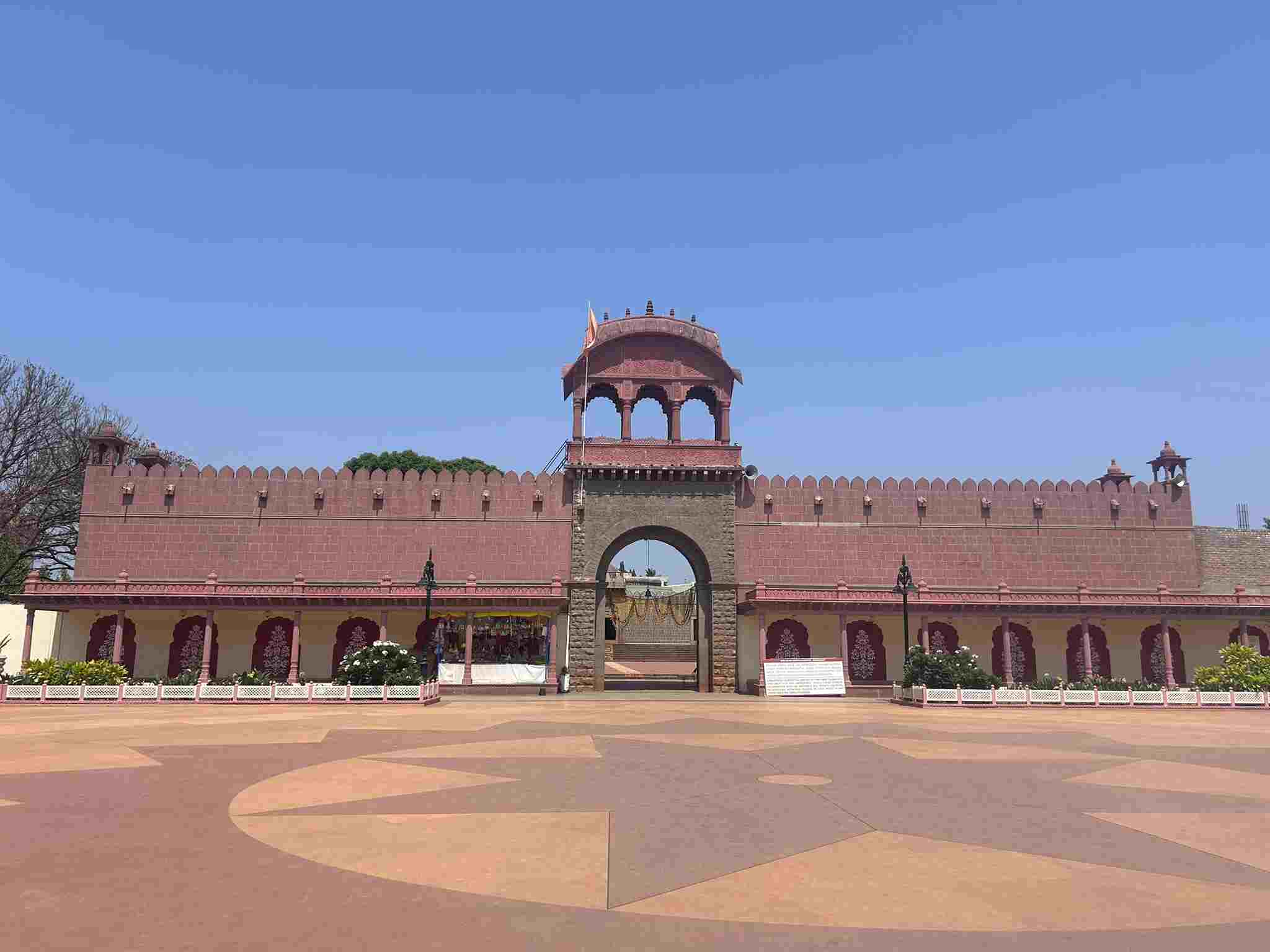
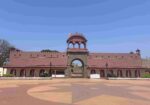
The temple is built over his Samadhi (tomb) and has an Indo-Mughal architectural style. Karnataka+1
-
Devotees from different religions visit — for example, some Muslim devotees view him as the Sufi saint Mehboob Subhani. Karnataka
-
The temple is not just a spiritual center — the Samsthan runs several charitable and educational institutions:
-
A Veda Pathashala for traditional Vedic education. stage.manikprabhu.org
-
Manik Vidyalaya, a primary school (nursery to Grade 5), focusing also on Sanskrit, spirituality, and culture. stage.manikprabhu.org
-
An Anathalaya (orphanage) sheltering over 100 children, providing free education and support.
-